
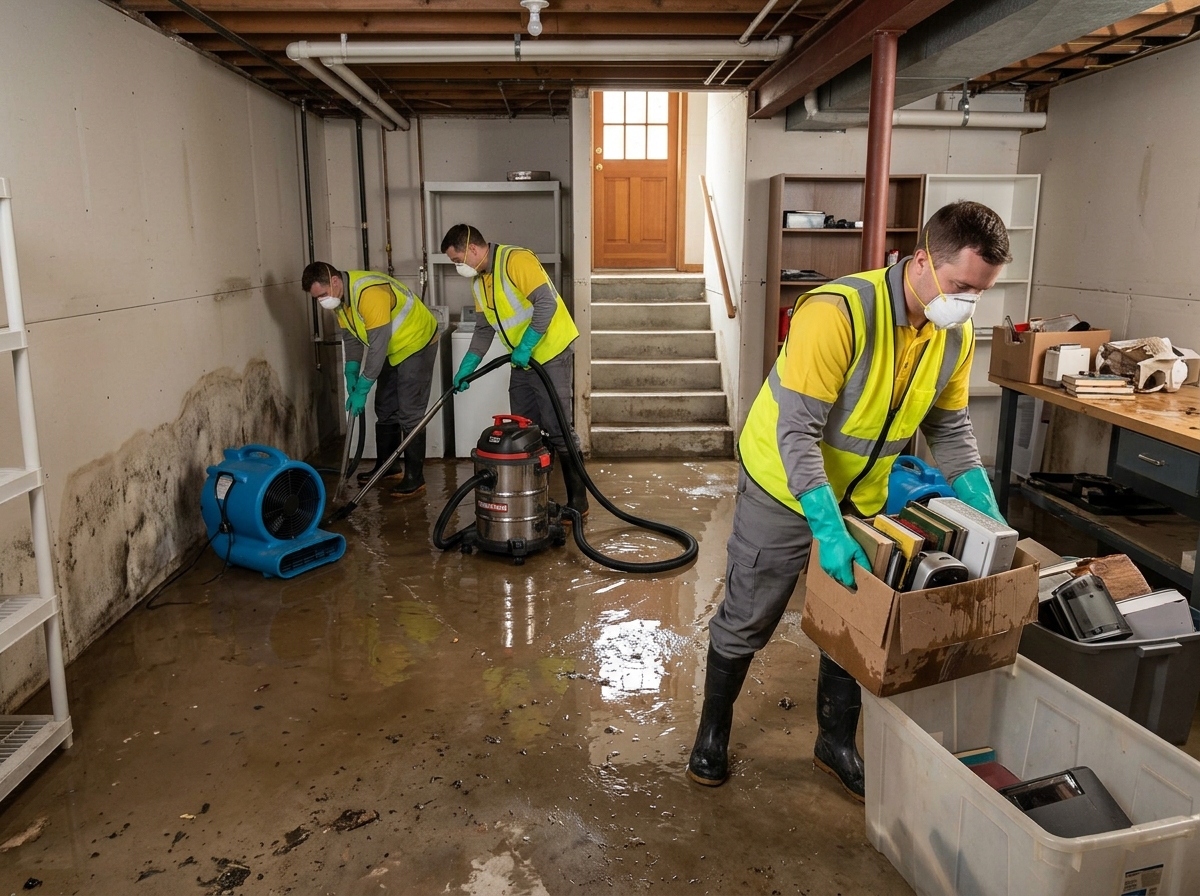
Don't Let a Flooded Basement Sink Your Spirits
When Your Basement Floods: What to Do Right Now
If you need to clean up after flooded basement water damage, here are the essential steps to take immediately:
Stay out until you confirm electricity is off and the water is not contaminated
Turn off the circuit breaker for any areas with standing water
Document everything with photos and video before touching anything
Call your insurance company as soon as possible
Remove standing water using a sump pump or wet-dry vacuum
Dry the space fast - mold can start growing within 24 to 48 hours
Disinfect all surfaces that floodwater touched
Dispose of porous materials like carpet padding and soaked drywall
Picture this: you walk down your basement stairs and your foot hits cold water instead of a dry floor. Your stomach drops. Whether it came from a burst pipe, a failed sump pump, or a heavy Georgia rainstorm overwhelming your drainage, the feeling is the same - panic.
That panic is completely understandable. But what you do in the next 24 to 72 hours can mean the difference between a manageable cleanup and a mold remediation bill that runs into the tens of thousands of dollars.
The clock starts the moment water enters your basement. And the good news? With the right steps taken in the right order, you can protect your home, your health, and your wallet.
This guide walks you through everything - from the first moment you spot water to the final moisture reading that tells you it's safe to rebuild.
Immediate Safety Steps Before You Clean Up After Flooded Basement
Before we even think about grabbing a mop, we have to talk about safety. A flooded basement is not just a wet room; it is a high-hazard environment. We’ve seen many well-meaning homeowners rush into the water only to face life-threatening situations.
Electrical Hazards
Water and electricity are a deadly combination. If the water level has reached any electrical outlets, baseboard heaters, or your furnace, do not enter the basement. The water could be "energized," meaning you could be electrocuted just by stepping into it. If your circuit breaker is located in a dry area (like the garage or main floor), turn off the power to the basement immediately. If the breaker box is in the flooded basement, stay out and call a professional or your utility company.
Gas Leaks and Structural Integrity
If you smell gas (that "rotten egg" smell), leave the house immediately and call the gas company from outside. Additionally, heavy flooding can weaken the structural integrity of your home. Look for buckling walls or cracks in the foundation. If the water came from a massive external flood, the pressure of the saturated soil outside can actually push your basement walls inward.
Sewage and Contamination
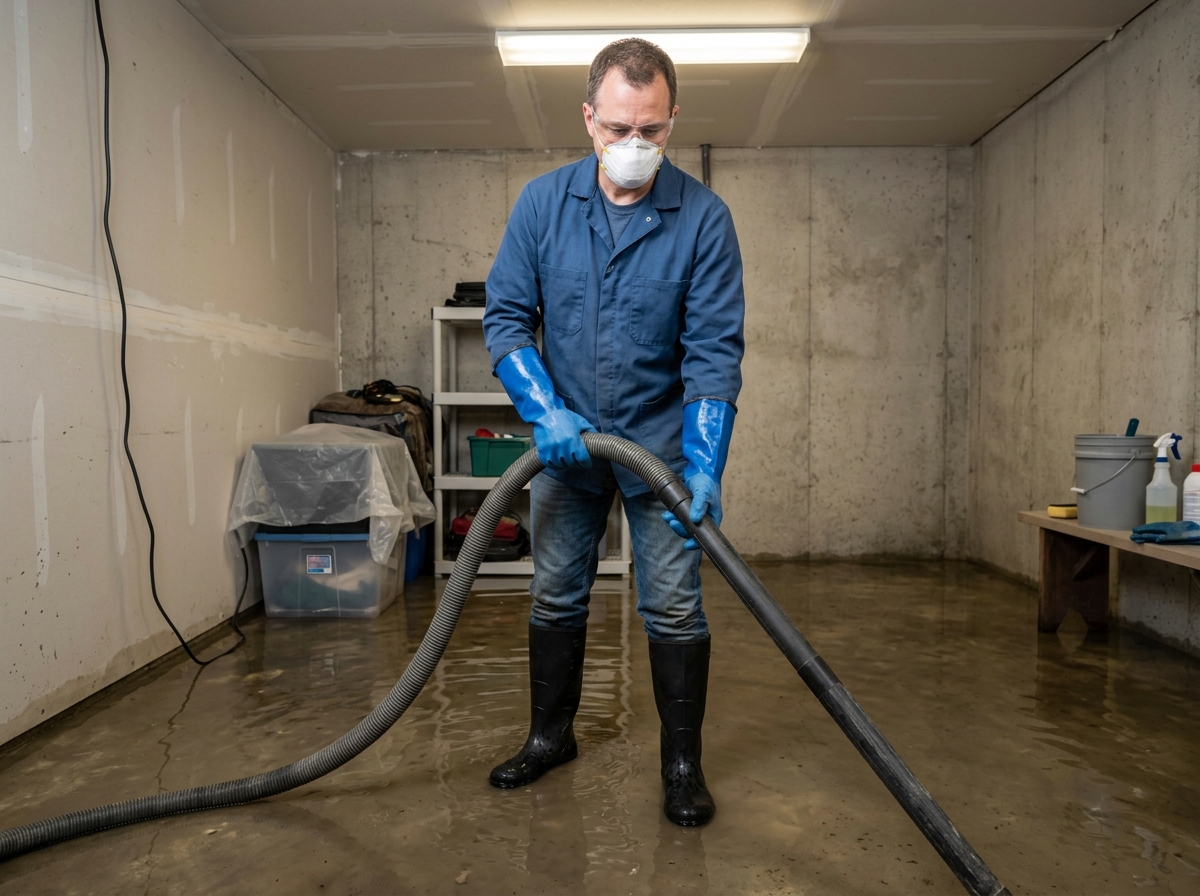
In Georgia, heavy rains often cause sewer backups. This water is classified as "Category 3" or "black water." It contains bacteria, viruses, and parasites that can make you extremely sick. According to the Cleaning Up a Flooded Home guide, you should always treat floodwater as contaminated. This is why wearing rubber boots, heavy-duty gloves, and N95 respirators is non-negotiable.
Assessing the Damage and Navigating Insurance Claims
Once the area is safe to enter, your first "job" isn't cleaning—it's documentation. We know you want to start the clean up after flooded basement immediately, but moving items before taking photos can hurt your insurance claim.
Creating a Visual Record
Take high-quality photos and videos of everything. Start from the stairs and work your way around the room. Capture:
The water level (look for the "waterline" on the walls)
Damaged appliances (furnace, water heater, washer/dryer)
Saturated furniture and personal items
The source of the leak, if visible (e.g., a burst pipe or a failed sump pump)
Understanding Your Policy
Not all water damage is created equal in the eyes of insurance. Standard homeowners insurance often covers sudden internal leaks (like a burst pipe), but it rarely covers "flooding" from external sources (like rising ground water or heavy rain) unless you have a separate NFIP (National Flood Insurance Program) policy.
As noted in this video on What should you do if your basement floods? - Facebook, calling your agent early is vital. They can tell you exactly what is covered and what documentation they need. Keep all your receipts for rented equipment, cleaning supplies, and professional services.
How to Safely Remove Standing Water and Debris
Now comes the heavy lifting. Removing the water is a race against time because mold can begin colonizing surfaces within just 24 to 48 hours.
The Danger of Pumping Too Fast
Here is a tip that surprises many homeowners: Do not pump all the water out at once if the ground outside is still saturated.
If you remove the water from the inside too quickly while the soil outside is still heavy with rain, the external pressure (hydrostatic pressure) can cause your basement walls to buckle or collapse. The How to Dry Out a Basement After Flooding (2026) | Step-by-Step Guide recommends a gradual approach: pump out about one-third of the water, wait overnight, and see if the level stays down before continuing.
Tools for the Job
Depending on the depth of the water, you will need different tools:
Water Depth Recommended Tool Over 2 Inches Submersible Sump Pump Under 2 Inches Wet-Dry Shop Vacuum Puddles/Residue Squeegees and Mops
Essential Gear to Clean Up After Flooded Basement
Don't skimp on protection. We recommend a "cleanup kit" that includes:
Heavy-duty rubber gloves: To protect against chemicals and bacteria.
Waterproof boots: With non-slip soles.
Safety goggles: To prevent splashes into your eyes.
Antimicrobial soap: For washing your skin and salvageable items.
Heavy-duty trash bags: For the "muck-out" process.
Shovels: To remove mud and silt brought in by external floods.
Salvaging Belongings During a Clean Up After Flooded Basement
This is often the most emotional part of the process. You have to decide what stays and what goes.
The "Throw-Away" List:
Carpet Padding: This acts like a sponge for bacteria and is almost impossible to dry or disinfect. It should always be discarded.
Saturated Drywall: If the water sat for more than 24 hours, the drywall will wick moisture up. Cut it at least 12 to 18 inches above the waterline.
Porous Items: Cardboard boxes, cheap particle-board furniture, and stuffed animals that were soaked in contaminated water are usually unsalvageable.
The "Save" List:
Non-porous surfaces: Metal, glass, and some hard plastics can be cleaned and disinfected.
Solid Wood Furniture: If caught early, these can sometimes be dried out, though they may require professional refinishing.
Heirlooms and Documents: For wet photos or important papers, place them in a plastic bag and put them in the freezer. This stops the decay and prevents mold growth until you can have them professionally restored.
For more visual guidance on sorting items, check out After the Flood: Basic House Cleanup Part 1 - YouTube.
Professional Drying and Disinfection Protocols
Once the standing water and debris are gone, the basement might look clean, but it is still dangerously wet. Concrete is incredibly porous; it can hold moisture for weeks after the surface feels dry to the touch.
The Science of Drying
To prevent mold, we use a combination of air movement and dehumidification.
Air Movers: These aren't standard house fans. Industrial air movers create high-velocity airflow that pulls moisture out of materials like wood studs and concrete.
Industrial Dehumidifiers: These machines can pull gallons of water out of the air every day, preventing the "secondary damage" caused by high humidity (like mold growing on the ceiling even though only the floor was wet).
The 15% Moisture Threshold
How do we know when it's actually dry? We use moisture meters. For wood framing and subfloors to be considered "dry" and ready for new drywall or flooring, they should generally read 15% moisture or less. If you refinish the basement while the studs are at 20%, you are essentially trapping mold food behind your new walls.
Disinfection: The Bleach Rule
After cleaning surfaces with detergent and water, you must disinfect. A common ratio is 1/3 cup of liquid bleach per gallon of water. Crucial Tip: The solution needs a "contact time" of at least 6 minutes to effectively kill bacteria and mold spores before you rinse it off. Always ensure the area is well-ventilated when using bleach.
Long-Term Strategies to Prevent Future Flooding
Once the clean up after flooded basement is complete, your focus shifts to making sure it never happens again. In Georgia, our clay soil and heavy seasonal rains make basement protection a top priority.
Sump Pump Maintenance: If you have a sump pump, test it every few months. Consider installing a battery-powered backup so it still works if the power goes out during a storm.
Gutter and Downspout Care: Ensure your gutters are clear. Downspouts should discharge water at least 3 to 10 feet away from your foundation.
Lawn Grading: The ground around your home should slope away from the foundation. If water pools against your house, it will eventually find a way in.
Foundation Sealing: Use waterproof coatings on interior walls and seal any visible cracks with epoxy or polyurethane injections.
Backwater Valves: These allow water to flow out of your home but prevent sewage from backing up into your basement during heavy rain.
Water Leak Sensors: These small, inexpensive devices can be placed near your water heater or sump pump. They will alert your smartphone the second they detect moisture, allowing you to catch a leak before it becomes a flood.
Frequently Asked Questions about Basement Flooding
How long does it take for a basement to dry completely?
It depends on the severity. A minor flood (1-2 inches on concrete) typically takes 2 to 4 days with professional equipment. A moderate flood involving soaked drywall and carpet can take 5 to 10 days. Severe saturation, where the water sat for a long time, can take 2 to 4 weeks to fully dry out the concrete and structural components.
Can I use bleach to kill mold on basement walls?
Bleach is effective on hard, non-porous surfaces like tile or metal. However, it is not effective for killing mold deep inside porous materials like wood or drywall. For those materials, you often need specialized antimicrobial treatments or, in many cases, the material simply needs to be removed and replaced.
When is it safe to turn the power back on?
Never turn the power back on until a qualified electrician has inspected the system. Moisture can linger inside outlets and junction boxes for days. Attempting to restore power to a wet circuit can cause a fire or a fatal electrical shock.
Conclusion
A flooded basement is a major disruption, but it doesn't have to be the end of your home's value or your peace of mind. By prioritizing safety, documenting the damage for insurance, and following a rigorous drying and disinfection protocol, you can restore your space to its original condition.
The most critical factor is speed. The sooner you start the drying process, the less likely you are to face long-term mold issues.
At ProShield 24/7, we specialize in helping Georgia homeowners navigate these disasters. We provide 24/7 emergency response with professional-grade drying equipment and IICRC-certified technicians who understand the local climate and structural challenges. Whether you're dealing with a minor leak or a major flood, we are here to help you get your life back to normal.
