
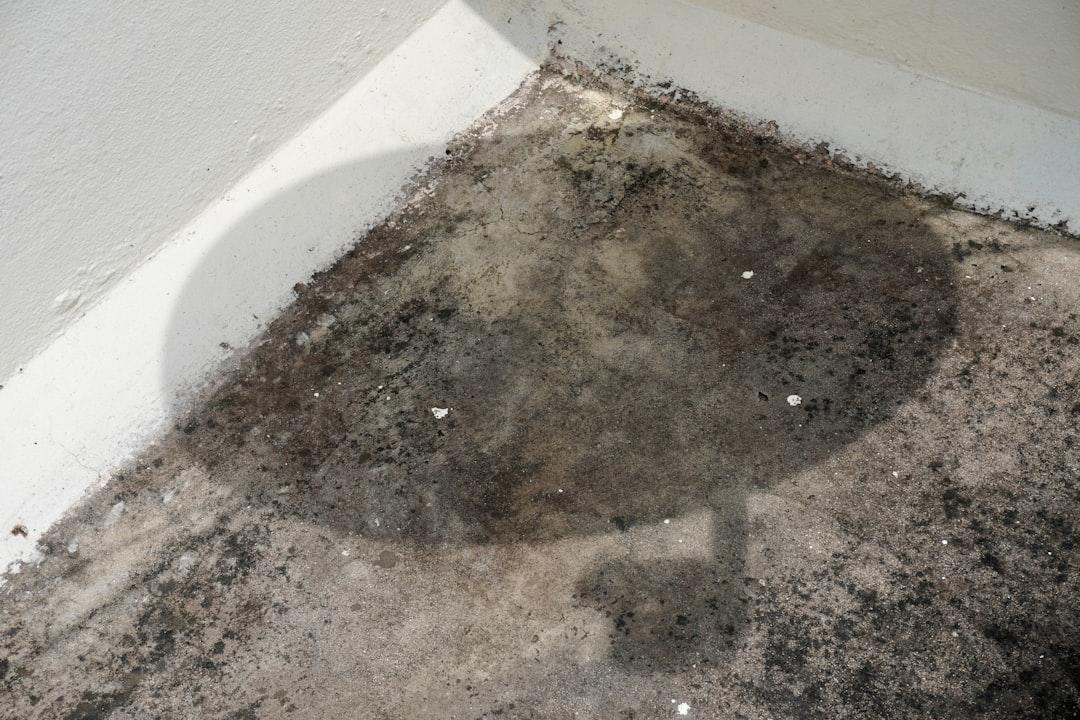
The Ultimate Guide to Sewage Damage Restoration and Cleanup
Sewage Damage Cleanup: What Every Homeowner Needs to Know Right Now
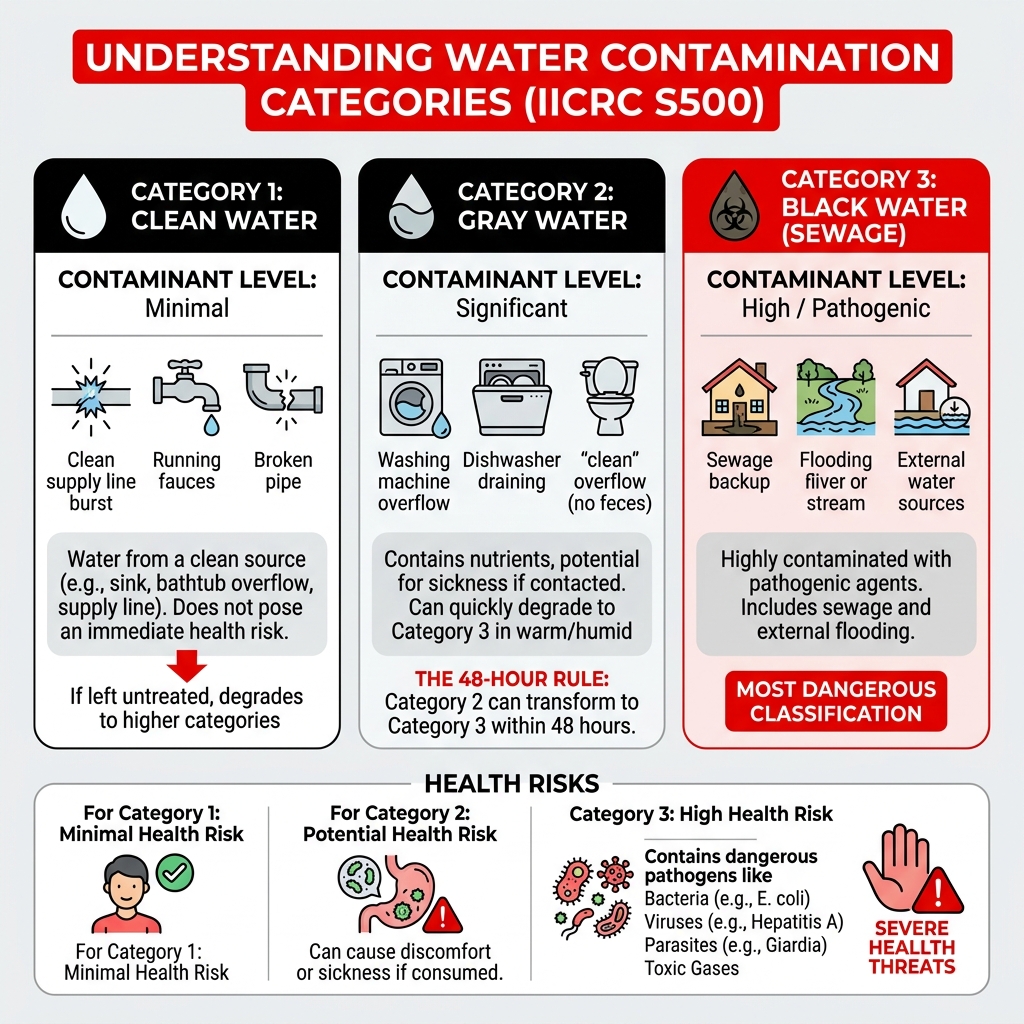
Sewage damage cleanup is one of the most urgent and hazardous situations a homeowner can face. Here's what you need to do immediately:
Quick Answer: First Steps After a Sewage Backup
Stop using all water and plumbing in your home right away
Turn off electricity at the breaker if sewage is near outlets or appliances
Shut down your HVAC system to prevent contaminated air from spreading
Keep everyone out — children, pets, and vulnerable family members especially
Document the damage with photos and video before touching anything
Call a professional sewage cleanup service immediately — do not attempt DIY
Contact your insurance company as soon as possible
Every year, thousands of homes experience sewage backups caused by aging pipes, clogged drains, tree root intrusion, or overwhelmed municipal sewer systems. When it happens, the clock starts ticking immediately.
Sewage isn't just dirty water. It's classified as "black water" — a Category 3 biohazard containing harmful bacteria, viruses, parasites, and toxic gases. It can saturate flooring, drywall, and personal belongings within minutes. Worse, mold can begin growing in as little as 24 to 48 hours after exposure to moisture.
The longer sewage sits, the worse the damage — and the higher the cost to fix it.
Many homeowners make the mistake of thinking they can clean it up themselves. But without professional-grade equipment and proper training, it's nearly impossible to fully decontaminate an affected area. Incomplete cleanup leaves hidden health hazards behind, even after the visible mess is gone.
This guide walks you through everything you need to know — from the health risks and water contamination categories, to the professional restoration process, costs, insurance, and how to protect your home from future backups.
Understanding the Dangers and Categories of Contaminated Water
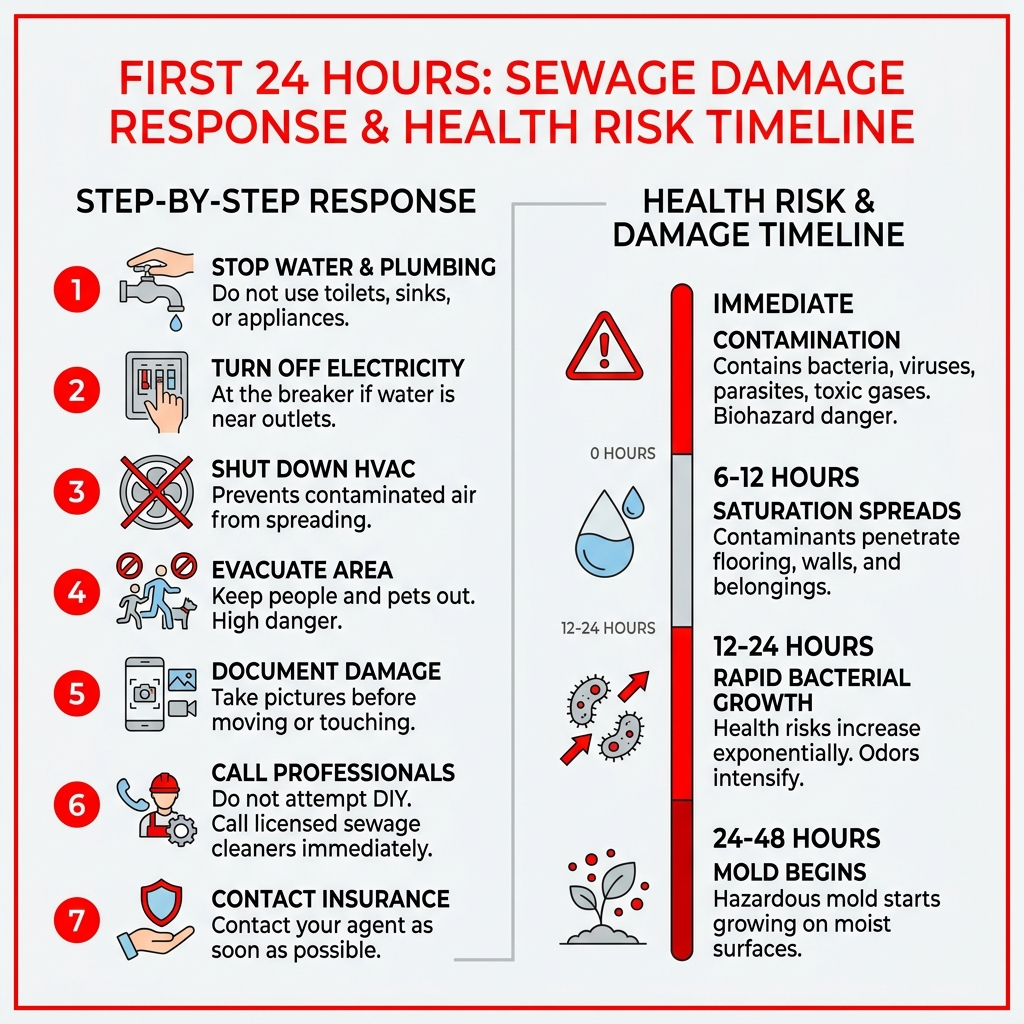
When we talk about water damage, not all floods are created equal. The restoration industry uses a specific classification system (IICRC S500) to determine how dangerous the water is and what level of cleanup is required. Understanding these categories is the first step in realizing why sewage damage cleanup is so complex.
Category 1: Clean Water
This is water from a clean source, like a broken supply line or a leaking faucet. While it can cause property damage, it doesn't pose an immediate health risk. However, if Category 1 water isn't dried quickly, it can degrade into the next categories.
Category 2: Gray Water
Gray water contains significant contamination and has the potential to cause discomfort or sickness if consumed or contacted. Examples include discharge from dishwashers, washing machines, or "clean" toilet overflows (urine only, no feces).
The 48-Hour Rule: A critical fact for Georgia homeowners to remember is that Category 2 water can transform into Category 3 "Black Water" in as little as 48 hours. In our warm, humid climate, bacteria and mold multiply rapidly, feeding on the nutrients found in gray water.
Category 3: Black Water (Sewage)
This is the most dangerous classification. Black water is highly contaminated and contains pathogenic agents like bacteria, viruses, and parasites. Sewage backups are always classified as Category 3. Other sources include rising floodwaters from rivers or streams, which pick up pesticides, animal waste, and chemicals along the way.
For broader public-health guidance on sewage exposure and safe cleanup practices, homeowners can also review the CDC's floodwater after a disaster or emergency guidance.
Why Sewage Backup Cleanup is More Complex Than Water Cleanup: Unlike a simple pipe burst, a sewage backup introduces biohazards into your living space. Raw sewage contains:
Bacteria: Such as E. coli and Salmonella.
Viruses: Including Hepatitis A and Rotavirus.
Parasites: Like Giardia and Cryptosporidium.
Toxic Gases: Methane and ammonia can build up in enclosed spaces like basements.
Immediate Safety Precautions for Sewage Damage Cleanup
If you walk into your basement and find standing sewage, your "fight or flight" response might tell you to start grabbing a mop. Stop. Your health is more important than your flooring. Before any professional sewage damage cleanup begins, you must secure the environment.
1. Gear Up (The Professional Way)
If you must enter the area to retrieve a high-value item, you need full Personal Protective Equipment (PPE). This includes waterproof boots, heavy-duty rubber gloves, eye protection, and an N95 mask to avoid breathing in aerosolized pathogens. However, we strongly advise staying out of the affected area entirely.
2. Utility Shutdowns
Electricity: Water and electricity are a lethal combination. If the sewage has reached electrical outlets, baseboard heaters, or appliances, do not enter the standing water. Turn off the power at the main breaker only if the panel is in a dry location.
HVAC System: Shut off your furnace or air conditioner. Your HVAC system circulates air throughout the house. If you leave it running, you risk blowing microscopic contaminants and foul odors into bedrooms and living areas that weren't even touched by the water.
3. Prevent Cross-Contamination
Treat the affected area like a crime scene. Don't walk from the sewage-soaked carpet onto clean hardwood; you’ll track bacteria across the house. Keep children, pets, and anyone with a compromised immune system far away from the site.
According to professional restoration standards, evacuation is often the safest protocol for large-scale backups. The emotional stress of a backup is high, but maintaining a physical barrier between your family and the waste is the best way to prevent illness.
The Professional Sewage Damage Restoration Process
When our team arrives at a Georgia home, we don't just "clean up." We follow a rigorous, scientific process to ensure the home is structurally sound and biologically safe. We adhere to IICRC S500 standards, which are the "gold standard" for the restoration industry.
Step 1: Inspection and Moisture Mapping
We start by identifying the source of the backup and the extent of the spread. Using infrared cameras and moisture meters, we perform "moisture mapping." Sewage can travel behind baseboards and under floorboards where it isn't visible to the naked eye. Learn more about our full range of restoration services.
Step 2: Water and Waste Removal
Using industrial-strength submersible pumps and high-powered wet vacuums, we extract the standing liquid and solid waste. This must be disposed of according to local Georgia environmental regulations—never dumped into the backyard or a storm drain.
Step 3: Removing Contaminated Porous Materials
This is the hardest part for many homeowners. In a Category 3 event, porous materials that have been saturated with sewage cannot be saved. This includes:
Carpeting and padding
Drywall (we typically cut at least 12 inches above the water line)
Upholstered furniture and mattresses
Fiberglass or cellulose insulation
Step 4: Sanitization and HEPA Air Scrubbing
Once the debris is gone, we apply EPA-approved, industrial-grade disinfectants and antimicrobials to all hard surfaces. To address airborne pathogens and the intense odors associated with sewage, we use HEPA air scrubbers and hydroxyl generators. These machines "scrub" the air, removing microscopic contaminants that ordinary fans just blow around.
Step 5: Structural Drying
Even after the water is gone, the wood studs and subfloors are still wet. We deploy industrial air movers and LGR (Low Grain Refrigerant) dehumidifiers. These are significantly more powerful than anything you can buy at a big-box store. We monitor these daily until the moisture levels return to a safe "dry standard."
Step 6: Final Verification
We don't consider the job done until we’ve verified the sanitization. This may involve ATP testing or E. coli swabs to prove that the "invisible" threats have been neutralized.
Costs, Insurance, and Preventing Future Backups
Dealing with a sewage backup is a financial hit as much as a physical one. Understanding the numbers can help you prepare for the road ahead.
What Influences the Cost?
The cost of sewage damage cleanup and restoration typically ranges from $2,000 to $10,000, with most homeowners spending between $3,000 and $5,000. If you are dealing with a full basement of black water, costs can easily exceed $10,000 because of the intensive labor and material replacement required.
Factors that drive up the price include:
Square Footage: The larger the area, the more disinfectants and drying equipment needed.
Category of Water: Black water is always the most expensive because everything it touches must be treated as a biohazard.
Accessibility: Crawl spaces are harder to clean than open basements.
Navigating Insurance Claims
Will your insurance cover this? It depends. A standard homeowner's policy often excludes sewage backups unless you have a specific "Sewer Backup Rider."
To help your claim, you must document everything. Take photos of the standing water, the damaged furniture, and the source of the leak. Keep all receipts from the restoration company. Insurance companies require "mitigation," which means you must take reasonable steps to stop the damage from getting worse (like calling us immediately).
How to Prevent Future Backups
You never want to go through this twice. Here are three expert tips for Georgia homeowners:
Install a Backflow Prevention Valve: This is a one-way valve installed on your main sewer line that allows waste to go out but prevents it from coming back in during a heavy Georgia rainstorm.
Tree Root Management: Many older homes in neighborhoods like those in Atlanta have clay pipes. Tree roots love the moisture in these pipes and will break through, causing massive clogs. Regular camera inspections can spot these before they cause a backup.
Septic Maintenance: If you’re on a septic system, have it pumped every 3 to 5 years. Neglect is the leading cause of septic-related sewage backups.
Frequently Asked Questions about Sewage Damage Cleanup
How long does sewage damage cleanup typically take?
The initial sewage damage cleanup—removing the waste and sanitizing the area—usually takes 1 to 3 days. However, the full restoration process (including structural drying and rebuilding walls or floors) can take one week or more. The timeline depends heavily on how quickly the moisture is addressed; if mold begins to grow (which happens within 24-48 hours), the process becomes much longer and more expensive.
Why is professional sewage damage cleanup essential?
You simply cannot kill all the bacteria in sewage with a bottle of household bleach. Professionals use specialized bio-washing systems and industrial-strength antimicrobials that are not available to the general public. Furthermore, we have the moisture-detection tools to find sewage that has seeped into wall cavities. If you miss even a small pocket of moisture, you’re inviting long-term mold growth and structural rot into your home.
Will my insurance cover the cost of sewage damage cleanup?
Most standard policies require a specific "Sewer Backup and Sump Pump Overflow" endorsement. If you have this rider, your insurance will likely cover the cleanup and the replacement of damaged materials. However, they may deny the claim if the backup was caused by "homeowner negligence" (like flushing items that shouldn't be flushed). Always call your agent to verify your coverage before an emergency happens!
Conclusion
A sewage backup is a nightmare, but you don't have to face it alone. At ProShield 24/7, we specialize in helping Georgia families reclaim their homes from the mess and the stress of biohazard events. Our IICRC-certified technicians are available 24/7 because we know that when it comes to sewage damage cleanup, every minute counts.
We provide fast local dispatch throughout Georgia, equipped with the industry's most advanced drying and sanitization technology. Our goal isn't just to remove the water; it's to restore your peace of mind and ensure your home is a safe, healthy environment once again.
Don't wait for the bacteria to spread or the mold to take root. Contact ProShield 24/7 for emergency sewage cleanup and let us handle the dirty work so you can get back to your life.
